Basement Moisture Log: What to Record Before Repairs
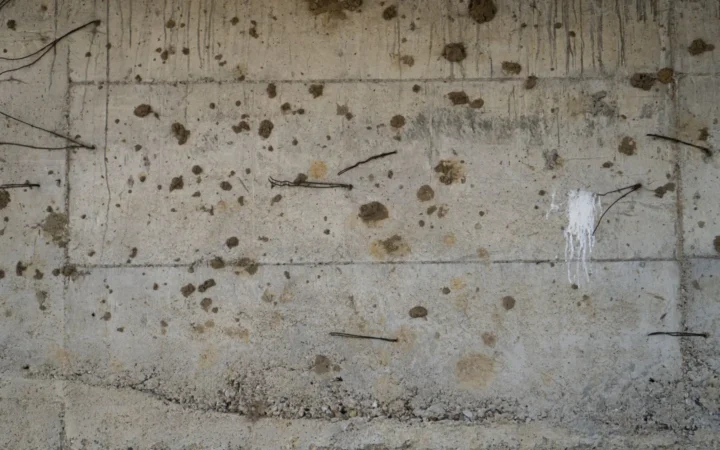
A damp corner can lead to several very different proposals: a dehumidifier, gutter work, a drain, or a larger waterproofing project. Before comparing those proposals, make a short record of what actually happens. A useful basement moisture log connects location, timing, weather and visible changes. It gives a contractor something more precise than “the basement sometimes smells damp.”
This is an observation worksheet for conditions that are safe to inspect. It is not a reason to delay an active leak or cleanup. Keep out of standing water where electricity or contamination may be involved, and arrange appropriate professional help.
Start with a simple room map
Sketch the basement on one sheet of paper. Mark the stairs, windows, exterior doors, sump location, floor drains and utility equipment. Give each wall a name that you will recognize later: driveway wall, backyard wall or north wall. Number the places where you see staining, dampness, condensation or damaged finishes.
Take one wide photograph showing each location in context and one close photograph showing the detail. Keep the camera position consistent on later visits. A close-up of an unidentified patch is much less useful than a photograph you can place on the room map.
Use one repeatable entry
Copy this template into a notebook or a note on your phone. Record observations rather than assigning a cause too early.
- Date and time: when you looked, not when you think the problem began.
- Location: the numbered spot on your map.
- Recent conditions: rain, snowmelt, a dry spell or an unusual indoor activity.
- What changed: dry, damp, droplets, staining, odor or visible water.
- Humidity reading: the reading, room location and device used, if available.
- Photo reference: a filename or album entry.
- Action taken: whom you contacted and what was changed.
A useful entry might read: “November 10, 7 p.m.; spot 2, backyard wall beside window; rain this afternoon; lower wall damp but floor dry; photo 004; contacted contractor.” That description preserves evidence without claiming that the window is definitely responsible.
Look for patterns, not a one-reading diagnosis
Compare the same spots after different conditions. Does the change appear after rainfall, during humid weather or while a nearby appliance operates? Does it affect a single patch or several surfaces? These patterns can help frame the next inspection, but they do not prove a hidden cause.
If you use a humidity meter, keep its placement consistent and note whether the dehumidifier was running. A reading taken beside the appliance is not directly comparable with one taken in a closed storage room. EPA recommends keeping indoor relative humidity below 60 percent, ideally between 30 and 50 percent. A comfortable air reading does not establish that a wall assembly or floor is dry.
Keep observations separate from changes
Use a second section for interventions. Note the date of gutter service, a plumbing repair, a changed dehumidifier setting or other work. Keep invoices and before-and-after photographs together. Otherwise, several changes made in one weekend can make it hard to understand which issue was addressed.
Do not paint or cover a suspect area simply to make the record look cleaner. EPA emphasizes fixing the moisture source and drying wet materials promptly. The log supports that work; it does not replace it.
Bring four questions to the inspection
- Which observations support your explanation of the moisture source?
- What other plausible causes should be checked before committing to this repair?
- What work is included, and what conditions could change the scope?
- How will we assess the result after the work is complete?
Ask for the explanation and proposed scope in writing. If two contractors recommend different systems, compare the causes they identified before comparing the prices.
For a next step, use the Basement Playbook moisture-planning tool to organize your questions. Treat its output as planning support, then confirm site-specific decisions with a qualified professional.
Source: EPA: A Brief Guide to Mold, Moisture and Your Home.
About the author: Jeremy Jarvis is an independent publisher and author. This guide provides planning information; it does not claim an on-site inspection or product test.

Comments
Post a Comment